

While the holiday season reaches its peak, new global research from the OECD and APA reveals that many people feel lonelier than ever. I’d like to share a press release where clinicians explain the reasons behind the paradox.
A joint partnership and collaboration with Mrs Feriel Berraies Guigny UFFP editor and Flow Neuroscience
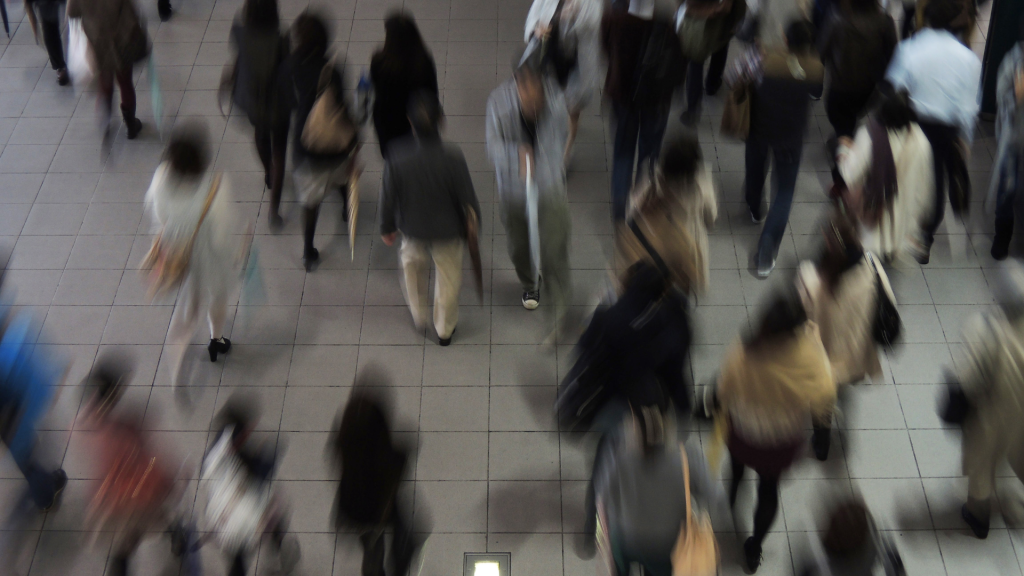
Festivities can make loneliness ever more difficult (Source: Canva)
Clinical psychiatrist Dr. Hannah Nearney and NHS GP Dr. Kultar Singh Garcha explain how loneliness plays out in the brain and share ways to cope.
Recent research reveals that during the holiday season, a time traditionally associated with family gatherings and joy, loneliness is on the rise worldwide, reported across the UK, EU, Japan, Canada, Australia, the US, and other countries.
According to the OECD’s 2025 Social Connections and Loneliness Report, up to 14% of people in member countries feel lonely most or all of the time. In the US, the “Stress in America 2025” report from the American Psychological Association shows that half of adults report signs of loneliness, including emotional disconnection and isolation.
“No matter the part of the world, holidays come with a lot of ‘shoulds’ and unrealistic social expectations of happiness and connectedness. But in reality, many people naturally struggle with those, and that doesn’t suddenly disappear during the end-of-year festivities,” explained Dr. Hannah Nearney, clinical psychiatrist and UK Medical Director at Flow Neuroscience, a company that developed brain stimulation treatment for depression.
Some of the main reasons behind loneliness during the festive season are distance from family and strained relationships.
This Christmas, 14 million Americans will spend it alone, with almost half due to conflict or being far from family, reports AMFM (A Mission for Michael), while OECD finds that the frequency of in-person interactions with friends and family has been declining over the past decade.
“The festive attributes of December, like Christmas traditions, songs, and movies, trigger the brain to think of family. Because Christmas is so commercialized, even different cultures are affected,” said Dr. Kultar Singh Garcha, NHS GP and Chief Medical Officer at Flow Neuroscience. “If the family is far, someone has passed, or there’s a conflict, all the emotions come out: grief, anger, disappointment, and loneliness, of course.”
Stress, including financial, can amplify the feeling of loneliness. According to the 2025 “Festive Feeling” study from the South African Depression and Anxiety Group, more than 1 in 3 people feel tired “for no good reason” and lonely this holiday season.
OECD adds that people typically facing financial stress, such as those unemployed or with low incomes, are nearly twice as likely to report feeling lonely.
“Stress can impair the functioning of the pre-frontal cortex, which is essentially the brain’s control centre for executive functioning. When that happens, it’s much harder to regulate emotions or make considered decisions, thus social cues can feel harsher. Small disconnections can feel bigger, strengthening the sense of isolation,” explained Dr. Nearney. “Financial stress is especially intense: it pushes the brain into survival mode, and social connections become much less of a priority.”
To those struggling with loneliness this holiday season, clinicians recommend fostering meaningful connections and supporting emotional well-being.
“Focus on nurturing relationships that you already have and set boundaries with difficult relatives. If you can’t meet loved ones in person, organize regular video calls. Also, small acts of kindness can help you feel more connected to your community: simply compliment someone or offer help with heavy bags,” said Dr. Garcha. “If you’re persistently struggling with stress or low mood, not just loneliness, consider seeking professional help. It can be psychotherapy, support groups, or clinician-guided mental health tools like brain stimulation.”
Rising loneliness is a signal to start prioritizing our own well-being instead of trying to meet unrealistic holiday expectations. Even simple actions like reaching out to an old friend or setting up a video call with family can help ease the loneliness many feel this holiday season.
About Flow Neuroscience
Flow Neuroscience is a healthcare company that focuses on tDCS therapies and devices. In 2016, it was co-founded in Sweden by Daniel Mansson, a clinical psychologist, and Erik Rehn, an engineer. Erin Lee joined as CEO in 2022, having previously worked at Google, Uber, and Babylon, and the company is now based in the UK. Flow is the only at-home medical tDCS device with clinically proven effectiveness in treating depression, approved in all major markets: by the American Food and Drug Administration (FDA), the UK’s National Health Service (NHS), the Australian Therapeutic Goods Administration (TGA), and having passed regulations in Europe, Norway, Switzerland, and Hong Kong.
