

Looking at oneself has always been a meaningful act. From ancient mirrors to photographic portraits, the
image of the body has never been a simple reflection of reality: it is mediation, interpretation, projection.
Today, with the rise of intelligent digital images — algorithmic filters, avatars, automatic retouching, AI-
generated faces and bodies — this mediation is changing in nature. It is no longer only humans who look
at themselves, but technologies that look for them, and sometimes instead of them.
In the age of AI, body image has become a space where innovation, aesthetic norms, and deeply human
issues intersect. The question is no longer only how we see ourselves, but who shapes that vision.
AI as a new actor in body image construction
Artificial intelligence is now a central actor in image production. It selects, enhances, corrects, and
generates bodily representations based on statistical criteria: symmetry, youth, slimness, smooth skin.
These images no longer merely reflect appearance; they produce a version of the body aligned with
calculated norms.

PHOTO UFFP all rights reserved
To look at oneself through intelligent digital images is to see oneself through a mirror that interprets,
transforms, and sometimes corrects the body before we are even aware of it. Self-perception thus
becomes mediated by algorithms, subtly suggesting what could be “improved.”
When AI amplifies existing norms
On one hand, AI amplifies existing influences: retouching filters, algorithmic recommendations on social
media, generated or optimized images that promote smooth, standardized, and sometimes unrealistic
bodies. Because these images are produced by technical systems, they appear neutral and objective.
Among adolescents in particular, this constant exposure can blur the boundary between real and modified bodies, intensify social comparisons, and increase the sense of distance between one’s own body and artificially produced norms.

PHOTO UFFP all rights reserved
This mediation can:
shift self-esteem toward digital validation (likes, comments),
create a gap between the lived body and the displayed body,
weaken body image and increase dependence on external approval.
Philosopher Maurice Merleau-Ponty reminded us that the body is прежде всего a lived body, a sensory
experience of the world. Intelligent digital images, however, tend to reduce this lived body to a visible,
comparable, and measurable object.
Opening positive pathways
Yet it would be simplistic to condemn AI outright. When used ethically and thoughtfully, it can also open
positive pathways:
diversifying body representations (ages, body types, disabilities, cultures),
challenging singular beauty standards by showing the natural diversity of bodies,
supporting educational and preventive tools that foster critical thinking about digital images,
promoting well-being by focusing on health and bodily function rather than appearance.
AI is therefore neither neutral nor inherently harmful.

PHOTO UFFP all rights reserved
Its impact depends on how it is designed, used,
and regulated, as well as on individuals’ ability to understand its mechanisms.
Educating the gaze, protecting the human dimension
Learning to look at oneself through intelligent digital images requires an education of the gaze:
understanding that images are constructions, not truths,
recognizing the technical and cultural choices behind every transformation,
reclaiming the body as a lived, sensory, and evolving experience beyond the screen.
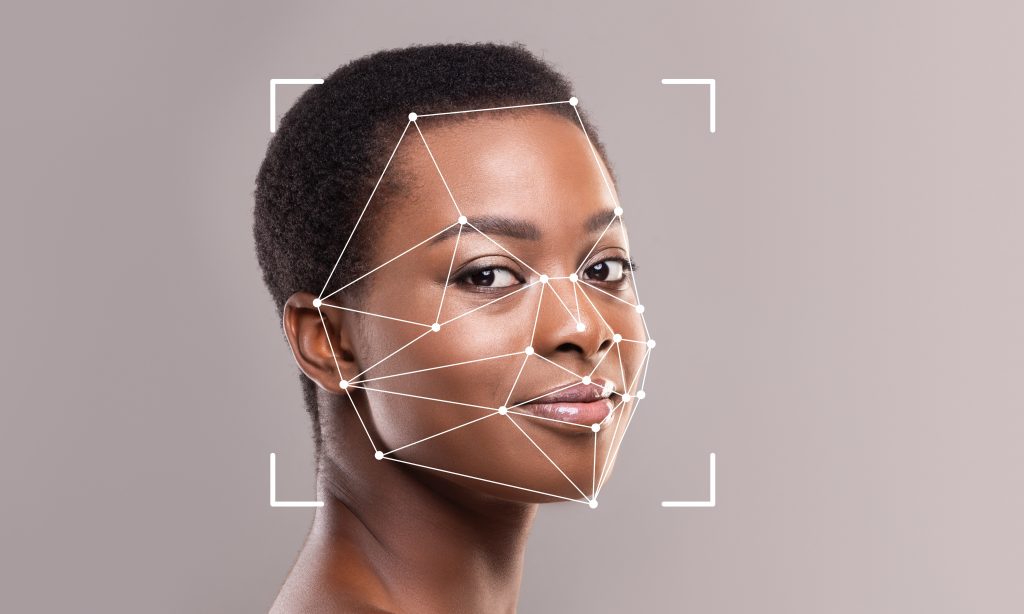
PHOTO UFFP all rights reserved
The essential question remains:
Is it the image that defines us, or our ability to question it, interpret it, and move beyond it?
In the age of artificial intelligence, preserving a respectful and compassionate relationship with the body
becomes a major ethical and humanistic challenge.
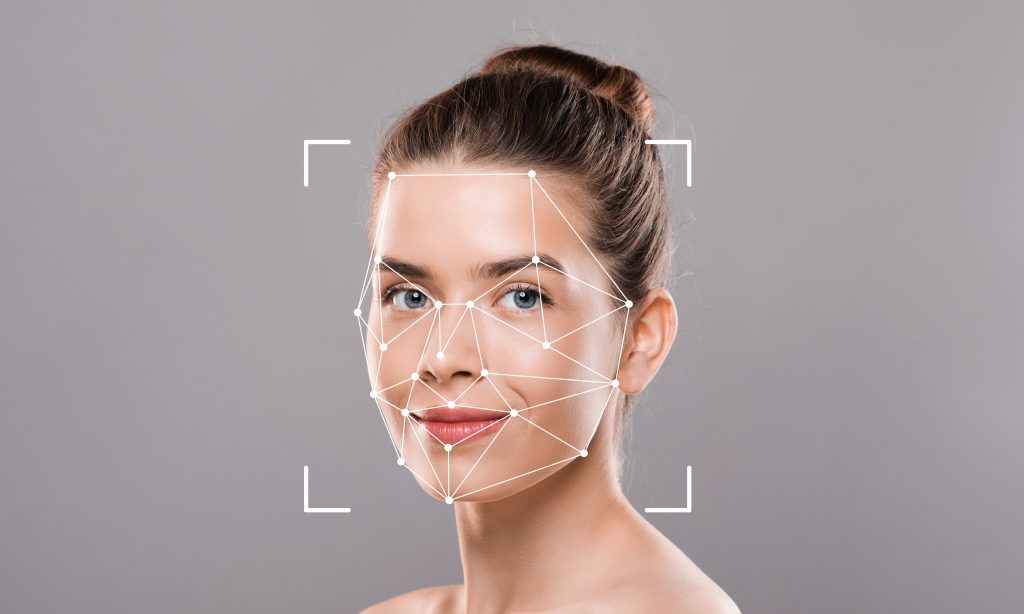
PHOTO UFFP all rights reserved
A LIFE SHAPED BY PRECISION AND PURPOSE
Where Skill, Discretion, and Compassion Meet
Bio of Professeur Mustapha Ait Aissa
In a field often defined by spectacle, Dr. Mustapha Ait Aissa is guided by something rarer: restraint. His work, shaped by more than three decades of international experience, reflects a philosophy rooted not in transformation, but in respect—for anatomy, for individuality, and for the human story behind every patient.
Educated in Paris, where surgical discipline and artistic sensibility quietly coexist, Dr. Ait Aissa developed an approach to aesthetic and reconstructive surgery grounded in balance and proportion. His philosophy resists excess. Beauty, in his view, is never imposed; it is carefully revealed.
As Founder and CEO of Bahia Aesthetic Surgery Center, Dr. Ait Aissa cultivated an environment defined by discretion, thoughtful innovation, and personalized care. The center became known not for extravagance, but for consistency, safety, and outcomes that felt natural and enduring.
His influence extends beyond private practice. As a contributor to leading international journals and an advisor to global medical and aesthetic organizations, Dr. Ait Aissa has helped shape standards in education, innovation, and ethical practice. Teaching and mentorship have remained constant threads throughout his career, reflecting a commitment to passing knowledge forward rather than holding it close.
*Consultant Plastic & Aesthetic Surgeon*
*President of the Algerian College of Plastic & Aesthetic Surgeon’s*
*Active member ISAPS*
*Member of the American Society of Plastic Surgery*
* Mob:+1 831 320 02 61
