

Rice water skincare searches surge as consumers turn to DIY beauty, but experts warn it’s not for every routine.
UFFP in collaboration with Fresha
Searches for “rice face wash” hit 160,000 a month as natural skincare gains traction, but knowing when to use it matters.
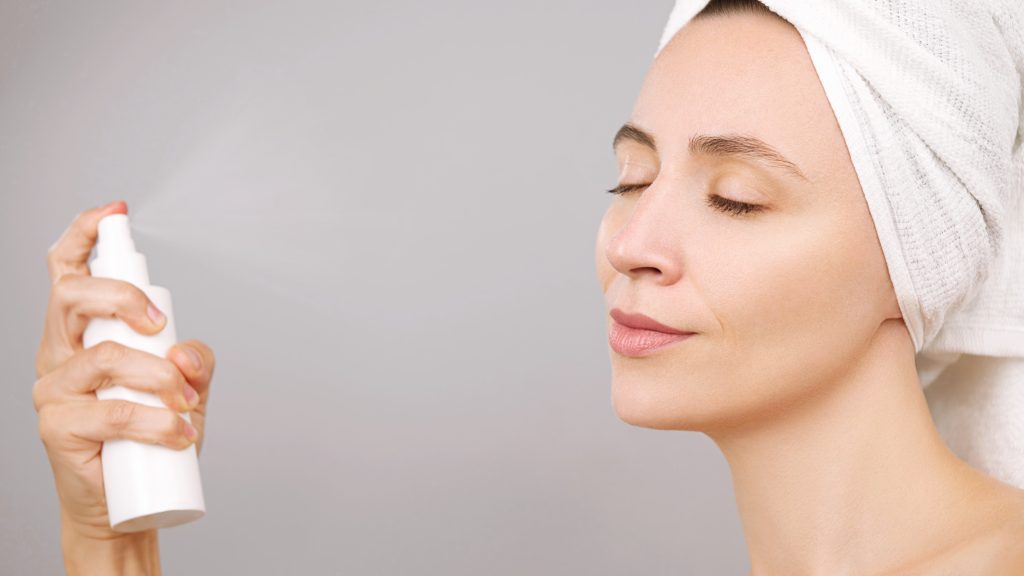
HOTOS ALL RIGHTS RESERVED UFFP / SHUTTERSTOCK
Rice water (yes the water you boiled your rice in ) is quickly becoming one of the most searched skincare trends of the year, as consumers look for low-cost, natural alternatives to traditional products.
New search analysis conducted by Fresha, the world’s leading beauty and wellness booking platform, shows that “rice face wash” now sees around 160,000 monthly searches globally, with steady growth over the past five years as interest in DIY skincare continues to rise.
But while the trend is gaining momentum online, beauty experts say rice water should be used carefully and not treated as a one-step solution.
Why rice water is trending now The rise of rice water skincare is being driven by a mix of social media influence, cost-conscious beauty habits, and growing interest in ingredient-led routines.
Rooted in traditional East Asian beauty practices, rice water has long been used to support skin and hair health. Its recent resurgence reflects a broader shift towards simpler, more “natural” approaches to skincare. According to Danielle Louise, beauty expert on the Fresha platform, the trend taps into a wider change in how people approach their routines: “People are becoming more ingredient-aware and are looking for simple, affordable ways to look after their skin.

HOTOS ALL RIGHTS RESERVED UFFP / SHUTTERSTOCK
Rice water feels accessible and low-risk, which is why so many are curious about it.”What rice water is actually good forWhen used correctly, rice water can offer some benefits as part of a wider routine: Light hydration It contains starches and amino acids that can help soften and smooth the skin.Temporary brightening effect.
Some users report a subtle glow due to the way it sits on the skin’s surface.Soothing properties
It may help calm mild irritation for some skin types.Supporting the skin barrier.
In certain cases, it can complement barrier-repair routines when paired with proper products.
When not to use rice water
Despite the hype, rice water is not a replacement for core skincare steps, and using it incorrectly can cause issues. Danielle Louise explains: “One of the biggest misconceptions is that rice water can replace a cleanser. It doesn’t remove SPF, makeup or oil effectively, so relying on it alone can lead to breakouts or congestion.” Experts advise avoiding or limiting rice water if: You’re using it instead of a proper cleanser.
You have acne-prone or congested skinI t’s being applied too frequently, leading to build-up or irritation.
You’re using fermented rice water without understanding how your skin reacts.
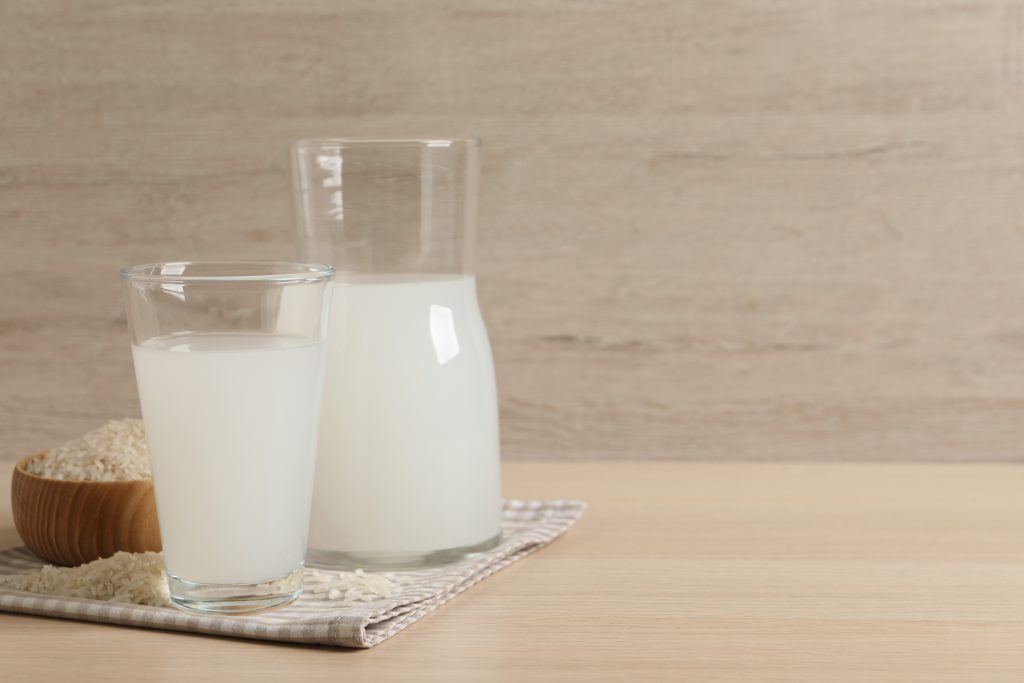
HOTOS ALL RIGHTS RESERVED UFFP / SHUTTERSTOCK
The bigger shift behind the trend
The rise in rice water searches points to a wider movement in beauty, where consumers are experimenting more and questioning traditional routines. Rather than following rigid product steps, people are increasingly building routines around individual ingredients and perceived benefits.
But this shift also comes with risk. “DIY skincare can be a great way to understand your skin better,” adds Danielle. “But there’s a difference between enhancing your routine and replacing it entirely. The basics still matter.” Rice water is unlikely to disappear anytime soon, but its role is best understood as an add-on, not a substitute. For most people, it can sit alongside a routine that still includes: A proper cleanser
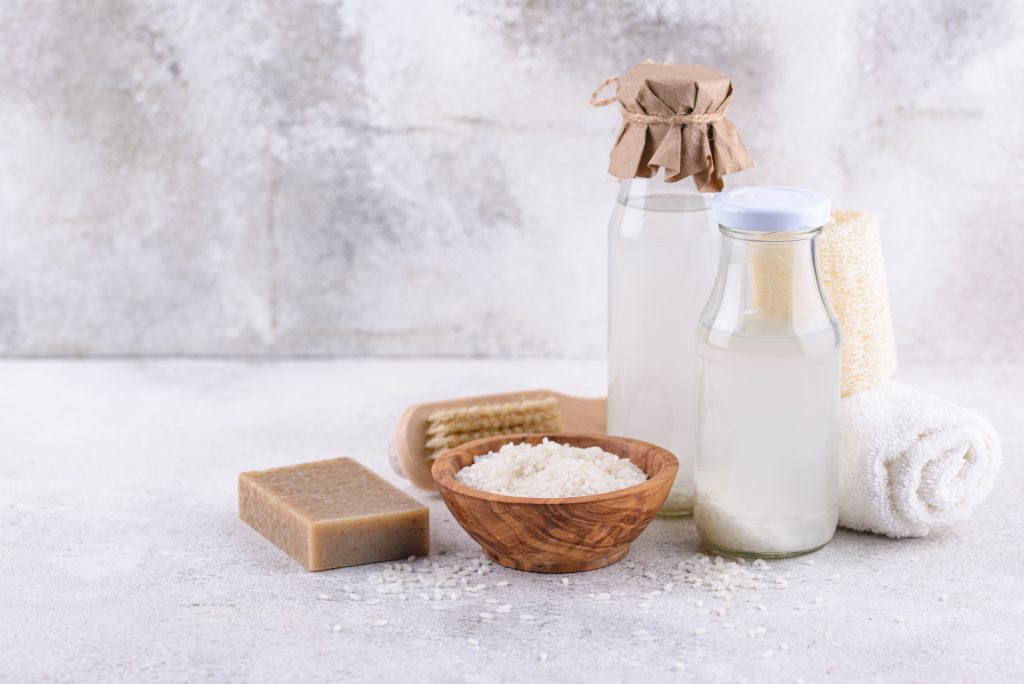
PHOTOS ALL RIGHTS RESERVED UFFP / SHUTTERSTOCK
Targeted treatments
SPFAs the trend grows, the real story isn’t just about rice water; it’s about how consumers are redefining what skincare looks like.
credit Fresha, the world’s leading beauty and wellness booking platform: https://www.fresha.com/
